Drone Enforcement Is Tightening: What Pilots Need to Know After the JFK Incident
Category: FAA / Airspace / Pilot Safety
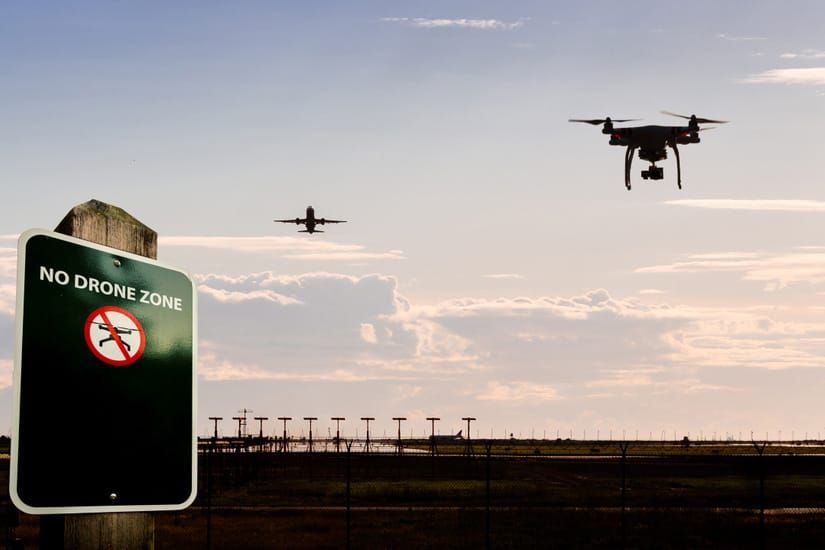
A reported drone strike near JFK Airport is putting drone enforcement back in the spotlight, and this one is bigger than a single bad flight.
According to Reuters, a JetBlue Airbus A321 arriving from Las Vegas reported hitting a drone at approximately 3,000 feet while approaching JFK on June 29. The aircraft landed safely, no damage was found during inspection, and the FAA opened an investigation. The incident came just days after another reported drone encounter near Newark. Reuters
For responsible drone pilots, the lesson is not complicated: the airspace environment is getting less forgiving.
This is not just about one person flying where they should not. It is about how repeated drone incidents near airports, stadiums, critical infrastructure, and major public events are shaping the next phase of enforcement.
Flight-Ready Breakdown
What Changed
The FAA is no longer treating drone violations as background noise.
Earlier this year, the FAA launched the Drone Expedited and Targeted Enforcement Response program, known as DETER, to speed up enforcement for certain drone violations. The program is especially focused on high-visibility events and gives law enforcement partners a faster way to notify the FAA when drone violations happen in real time. FAA
At the same time, the FAA says it continues to receive more than 100 drone-sighting reports near airports each month. FAA
That matters because each incident adds pressure. Every careless flight near controlled airspace becomes another reason for tighter restrictions, faster penalties, and more scrutiny on the entire drone community.
Who It Affects
This affects more than reckless hobby pilots.
It affects:
- Recreational flyers who launch without checking airspace.
- Part 107 pilots working near airports, stadiums, events, or infrastructure.
- Public safety agencies operating near active incident scenes.
- Real estate, media, and construction pilots flying in busy urban areas.
- Drone businesses that rely on public trust and predictable access.
For professional pilots, the danger is not only getting fined. The bigger risk is losing access. When incidents stack up, regulators and facility owners are more likely to push for no-drone zones, site restrictions, and local enforcement actions.
Why It Matters
The drone industry is trying to move toward more advanced operations: BVLOS, docked drones, public safety response, utility inspection, automated mapping, and drone delivery.
But those operations depend on trust.
A drone reported at 3,000 feet near a major airport does the opposite. It tells regulators, airlines, law enforcement, and the public that low-altitude airspace still has a discipline problem.
This is where responsible pilots need to separate themselves from casual behavior.
Professionalism is not just having a Part 107 certificate. It is checking airspace before launch. It is knowing when not to fly. It is understanding TFRs, LAANC, Remote ID, airport grids, local restrictions, and event security boundaries.
The FAA has also established no-drone zones around 2026 FIFA World Cup stadiums, fan events, and base camps, showing how major events are becoming enforcement zones, not just advisory areas. FAA
And the agency has proposed a process that would allow certain critical infrastructure operators to request drone flight restrictions over sensitive facilities. FAA
The pattern is clear: more drones in the sky means more pressure to prove who belongs there.
Takeaway
The next phase of drone aviation will reward disciplined pilots.
The pilots who check airspace, document operations, understand restrictions, and fly with a safety mindset will have a stronger case for access. The pilots who treat warnings as suggestions will make the airspace harder for everyone else.
This is the moment for drone operators to tighten their own standards before someone else tightens them for us.
Before You Fly
Before your next mission, especially near cities, airports, stadiums, utilities, public events, or controlled airspace, run the basics:
- Check airspace before every launch.
- Review TFRs, not just the map view in your drone app.
- Confirm LAANC authorization when required.
- Make sure Remote ID is working.
- Stay far away from airport arrival and departure paths.
- Avoid flying near large crowds or major events unless properly authorized.
- Keep documentation for commercial missions.
- When uncertain, do not launch.
The drone industry does not move forward because people fly more. It moves forward because pilots fly better.
DPB Bottom Line:
The JFK incident is another reminder that drone enforcement is no longer theoretical. The pilots who want a future with more access, more advanced operations, and more commercial opportunity need to treat every flight like it reflects on the entire industry.